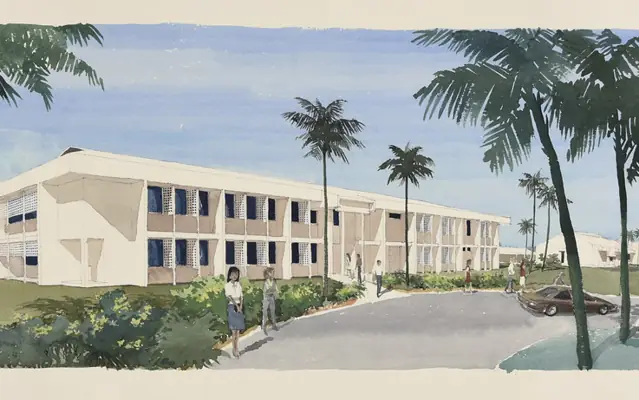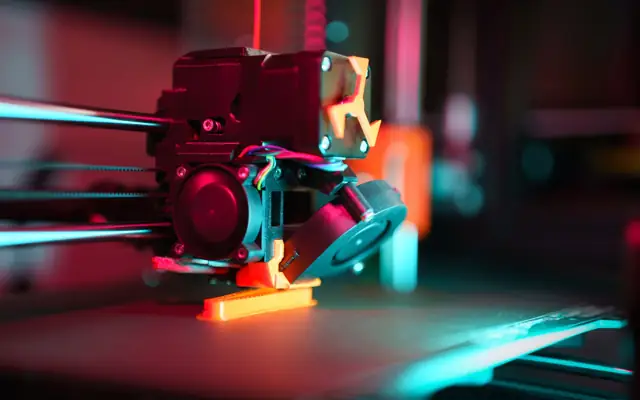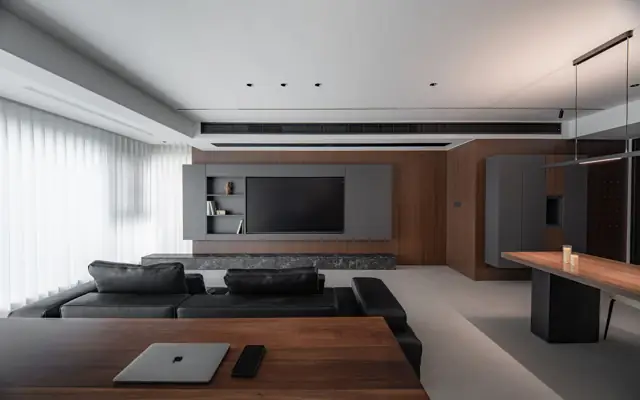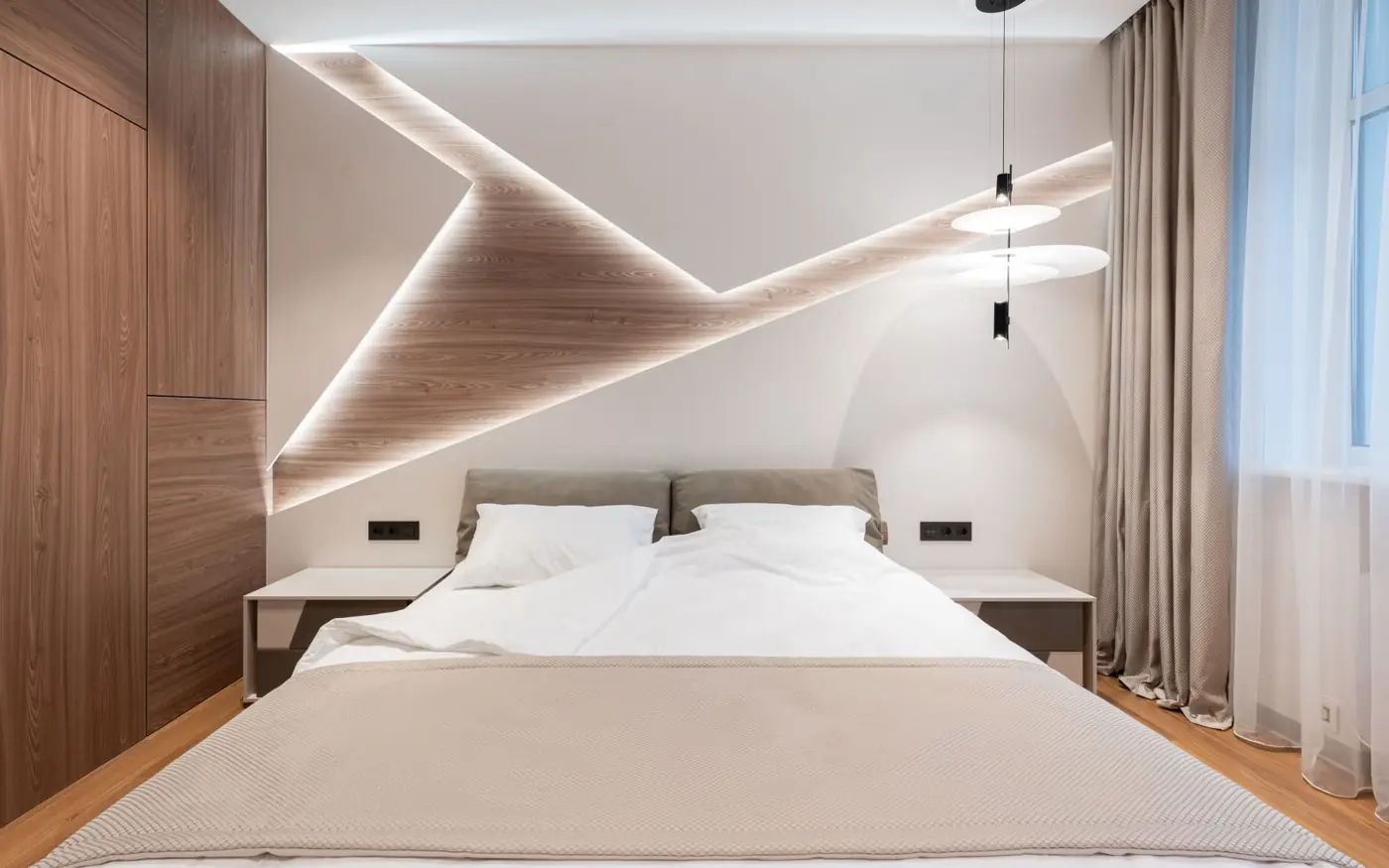
What makes a rendering photorealistic
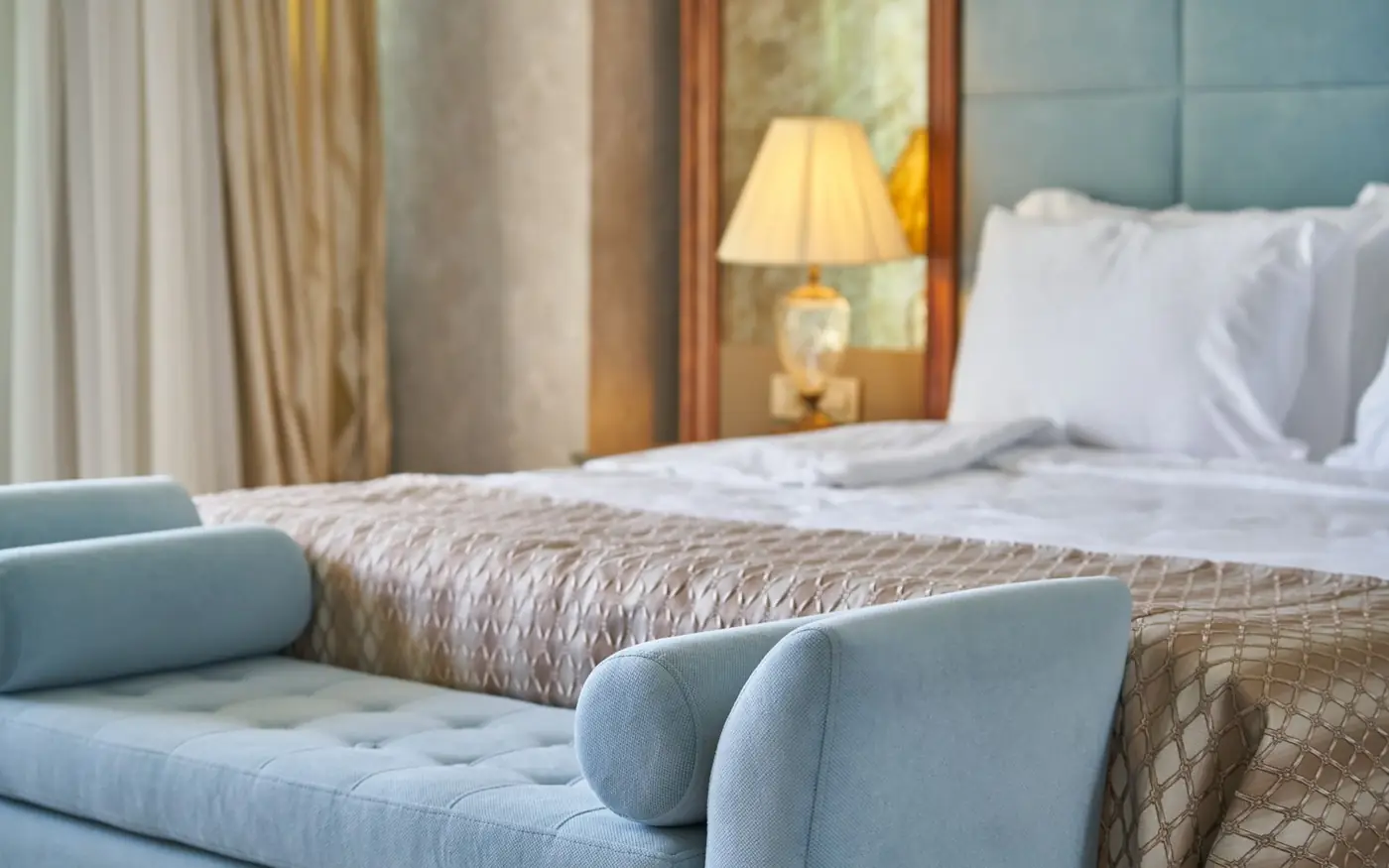
Realism comes from detail most people never notice consciously: slightly rounded edges instead of razor-sharp corners, materials with subtle variation and wear, light that bounces and picks up colour, shadows that soften with distance, and a camera with a believable lens, height and exposure. Real-time engines are fast, but for hero images we use path-traced renderers (V-Ray, Corona) that simulate light properly.
We also borrow from photography: two-point perspective for interiors, eye-level or slightly elevated cameras, natural sky and HDRI lighting, and styling that looks lived-in rather than empty. Post-production in Photoshop adjusts colour, contrast and atmosphere without making the image look artificial.
Photorealism costs more time than a standard visualisation. For fast design-review images, see architectural rendering; for products, 3D product rendering.
Deliverables you receive
- Hero-quality still images (interior, exterior or product)
- Physically based materials matched to your samples
- Lighting studies: day, golden hour, dusk or night
- Post-production with colour grading
- Print-ready resolution (4K–8K or to your print size)
- Source scene files on request
What we need from you
- Drawings or a 3D model
- Material samples or product codes
- Reference photos for mood and lighting
- Image sizes and intended use
Who orders this service
- Architects entering competitions or awards
- Interior designers presenting high-end projects
- Developers needing hero marketing images
- Furniture and product brands
Software and file formats
3ds Max with V-Ray or Corona, Photoshop post-production; final images in TIFF, PNG or JPG. Scene files available on request.
Photorealistic Rendering standards in the USA, UK, Canada and Australia
We set up every project on the standard of the country where it will be built or manufactured. These are the references we work to most often:
| Country | Standards and codes we draft photorealistic rendering to |
|---|---|
| USA | Marketing and MLS listing rules for disclaimers on CGI images; ADA-compliant design shown where the design includes it |
| UK | ASA advertising rules for CGIs in property marketing; Landscape Institute TGN 06/19 for verified views (AVR) in planning |
| Canada | Provincial real estate advertising rules (e.g. RECO in Ontario) on artist's impressions |
| Australia | Australian Consumer Law on off-the-plan marketing images; state planning photomontage requirements |
How our photorealistic rendering process works
- 1Send your files
Upload sketches, PDFs, markups, photos, scans or a model through the quote form. Tell us the standard (US, UK, Canada or Australia) and the deadline.
- 2Fixed quote in hours
We review the scope and reply with a fixed price, the deliverables list and a delivery date. Nothing starts until you approve it.
- 3Drafting & modeling
Your project is drawn in AutoCAD, Revit, Civil 3D, SolidWorks or the software you use, on your title block, layers and templates.
- 4QA check
A second drafter checks dimensions, annotations, layer standards, sheet numbering and cross-references against your input before anything is sent.
- 5Delivery & revisions
You receive native files plus PDFs. Comments come back as markups and we revise them quickly until the set matches the brief.
Turnaround and pricing
A photorealistic interior or exterior image usually takes 4–7 business days including draft approval. Every job is priced as a fixed quote after we review your files, so you know the cost and the delivery date before work starts. See how our pricing works, or send your files through the quote form for a quick estimate.
Related services
Photorealistic Rendering projects often need architectural rendering services, 3D product rendering and interior design services as well. You can order them together on one quote, or browse every option in our rendering services.